A Party of Society and Taste in Indian Cuisine: One Of The Most Cherished Famous Indian Food
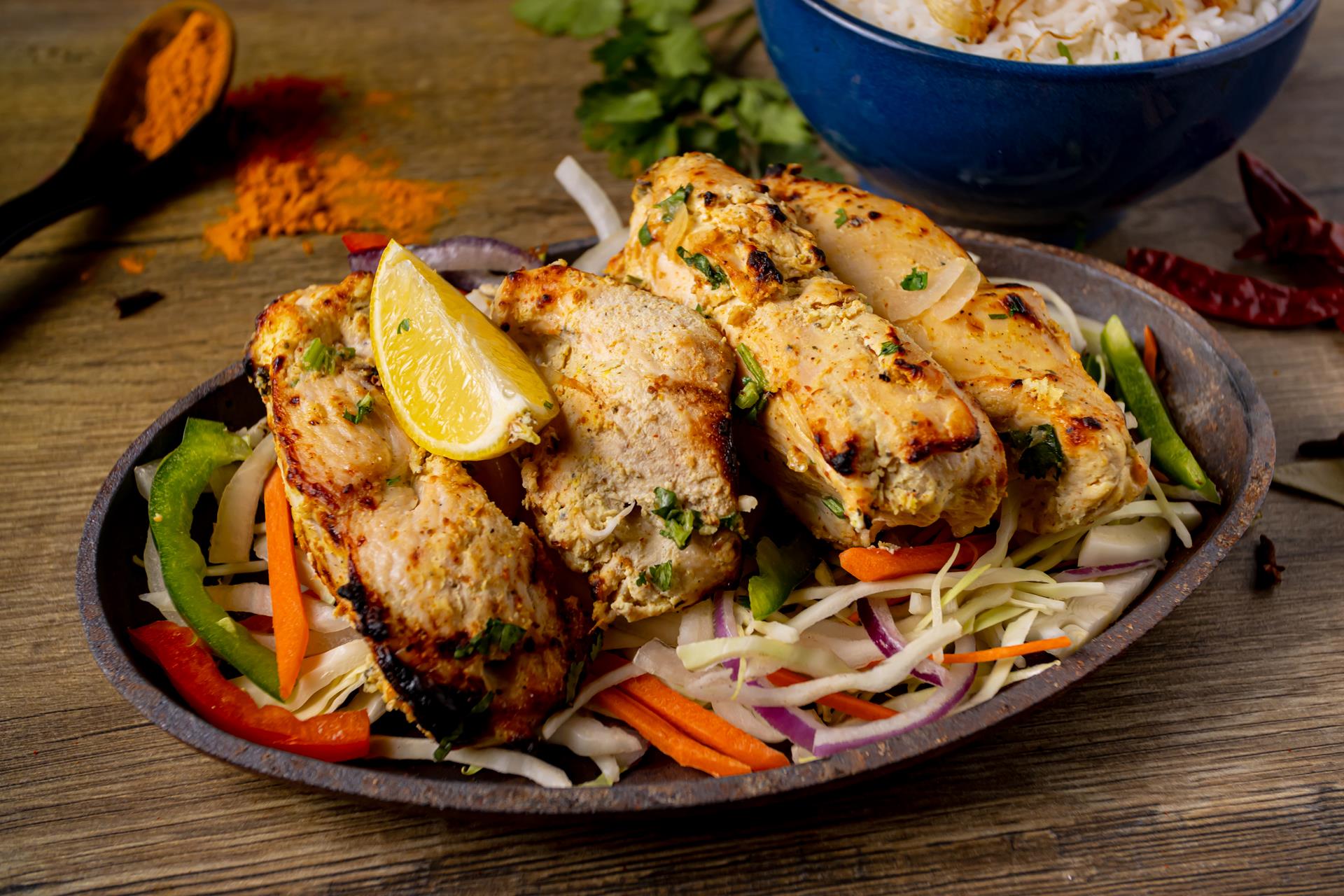
The Rich Heritage of North Indian Food
North Indian food is frequently celebrated for its abundant structures and varied flavors, it also mirrors a deep social heritage that has actually progressed over centuries. Influenced by different historic occasions, such as the Mughal conquest and the arrival of various communities, this cuisine showcases a combinations of culinary methods. Signature dishes like biryani and butter chicken reveal the area's historical connections and making use of seasonings, lotion, and yogurt, which improve the flavor accounts.
Additionally, typical food preparation approaches, such as tandoori baking, play a critical duty in creating distinct textures and preferences that are particular of North Indian food. Celebrations and religious events further enrich this cooking tapestry, as family members collaborated to prepare fancy dishes. The emphasis on public dining cultivates a feeling of togetherness, making North Indian cuisine not nearly food, but an embodiment of social identity and heritage, treasured throughout generations.
The Vivid Flavors of South Indian Dishes
What makes South Indian food stand apart is its lively array of flavors that entice the palate. This regional price is defined by its usage of fresh ingredients and fragrant seasonings, creating dishes that are both healthy and savory. Staples like rice and lentils create the structure of lots of dishes, while coconut, curry leaves, and tamarind include distinct preferences.
Renowned meals such as dosa, a crispy fermented crepe, and uttapam, a thick pancake covered with vegetables, exemplify the region's love for fermentation and appearance. fresh kebabs. Sambar, a lentil-based vegetable stew, and rasam, a zesty soup, display the best mix of flavors and seasonings that identify South Indian culinary traditions
Accompaniments like coconut chutney and pickles raise these meals better, supplying different tastes. With each other, these components produce a culinary experience that is both varied and deeply rooted in custom, making South Indian cuisine cherished around the world.
The Spicy Delights of East Indian Culinary Traditions
East Indian culinary practices are renowned for their zesty and vibrant tastes, establishing them besides various other regional foods in India. This region boasts a rich tapestry of meals influenced by diverse cultures, from Bengali fish curries to the intense delights of Odisha's seaside offerings. Spices such as coriander, mustard, and cumin are staples, mixing harmoniously to develop dynamic curries and lentil dishes. Using red chili and eco-friendly chilies powder adds an unmistakable warmth that identifies numerous East Indian dishes.
Bengali food, specifically, is popular for its wonderful and zesty equilibrium, featuring meals like shorshe ilish, where hilsa fish is prepared in mustard sauce. The use of panch phoron, an one-of-a-kind five-spice mix, raises day-to-day dishes. The concentrate on fresh, local components and vibrant seasoning not only improves flavor however likewise reflects the area's cultural heritage, making East Indian cuisine a real event of spice and taste.
The Wholesome Comfort of West Indian Favorites
West Indian food supplies a wonderful variety of comfort foods that mirror the region's varied social influences and lively agricultural bounty. Staples such as rice and peas, frequently enriched with coconut milk, symbolize the essence of island life. Meals like curried goat and jerk poultry display the strong flavors and seasonings that define this cooking tradition.
Plantains, fried to a gold crisp, offer as a precious side, complementing several meals with their tasty and sweet notes. indian food. Making use of fresh herbs, such as thyme and cilantro, boosts the meals, supplying aromatic deepness
Furthermore, the passionate roti, usually packed with vegetables or meats, is a favorite amongst citizens, providing a pleasing and loading alternative. Each dish is a celebration of the area's abundant history, mixing aboriginal active ingredients with influences from African, Indian, and European cuisines. Together, these aspects contribute to the wholesome and comforting nature of West Indian favorites.
The Influence of Street Food in Indian Gastronomy
Though often overlooked in official cooking conversations, road food plays a critical function fit Indian gastronomy, showing the nation's abundant cultural tapestry. Cities and communities throughout India are adorned with vibrant stalls and carts, each using a special variety of tastes and dishes that tell regional tales. From the spicy tang of chaat in Delhi to the crispy vadas of Mumbai, these culinary delights offer as a link in between neighborhoods and their heritage.
Road food is not almost taste; it exemplifies access and cost, making it a staple for lots of. Vendors often incorporate local components, showcasing India's varied agricultural bounty (JAIPORE Xpress). Moreover, street food promotes social interaction, as individuals gather to take pleasure in meals together, creating a sense of community. Basically, the impact of street food transcends simple food, symbolizing the spirit of India's culinary identification and offering a peek into the country's dynamic society
Often Asked Questions
What Are the Health And Wellness Conveniences of Conventional Indian Flavors?
Conventional Indian seasonings provide countless health and wellness benefits, consisting of anti-inflammatory residential or commercial properties, boosted food digestion, boosted metabolic process, and Web Site antioxidant impacts. They may additionally support heart health and wellness, manage blood sugar level degrees, and increase immunity, see post adding to general well-being.
Exactly How Can I Adapt Indian Dishes for Dietary Restrictions?
To adapt Indian dishes for nutritional constraints, one can substitute ingredients, change spice levels, and discover choices like gluten-free flours or plant-based healthy proteins, ensuring the essence of the meal remains while fulfilling specific dietary demands.
What Are the A Lot Of Popular Indian Desserts?
Popular Indian treats include gulab jamun, a wonderful syrup-soaked dumpling; jalebi, a crispy, spiraled reward; and rasgulla, a mushy cheese ball. These delicacies are treasured for their unique flavors and structures, bewitching treat fanatics worldwide.
How Do Indian Cooking Strategies Vary In Between Areas?
Indian food preparation strategies vary significantly by area, influenced by social practices and neighborhood components. Northern areas frequently utilize tandoor food preparation, while southerly areas prefer steaming and frying. Each technique shows culinary practices and one-of-a-kind flavors.
What Is the Relevance of Celebrations in Indian Food?
Celebrations hold tremendous importance in Indian food, as they personify social traditions, foster public bonds, and commemorate abundance. One-of-a-kind dishes are prepared, symbolizing heritage and spirituality, while reinforcing the significance of sharing and togetherness throughout these events.
North Indian food quiznos near me is often commemorated for its varied flavors and rich appearances, it additionally shows a deep cultural heritage that has progressed over centuries. What makes South Indian cuisine stand out is its vibrant variety of tastes that entice the preference buds. East Indian culinary traditions are renowned for their strong and spicy flavors, establishing them apart from other regional cuisines in India. West Indian food provides a delightful array of comfort foods that show the area's varied cultural influences and lively farming bounty. Each dish is a party of the region's abundant background, mixing aboriginal active ingredients with impacts from African, Indian, and European foods.